Spend enough time in Point Venture and you’ll eventually hear someone say it:
“Look at all the land that’s showing.”
Or:
“The island is back.”
Or:
“Go walk the shoreline before the water comes up again.”
What they’re really talking about is one of the most remarkable things about Lake Travis: beneath the water is an entirely different landscape.
And for much of Texas history, that landscape was the only one that existed.
Before Lake Travis
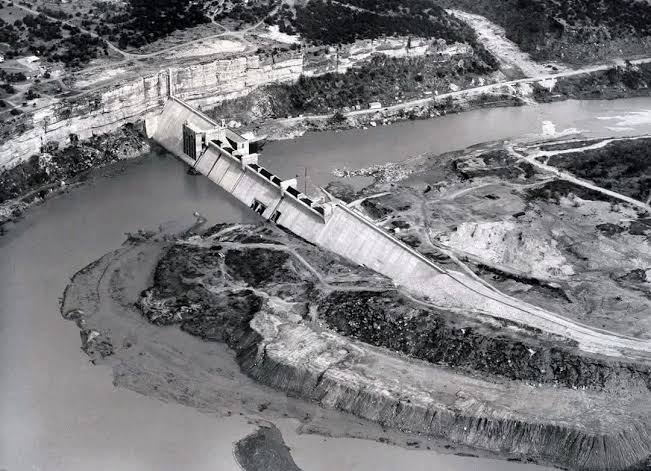
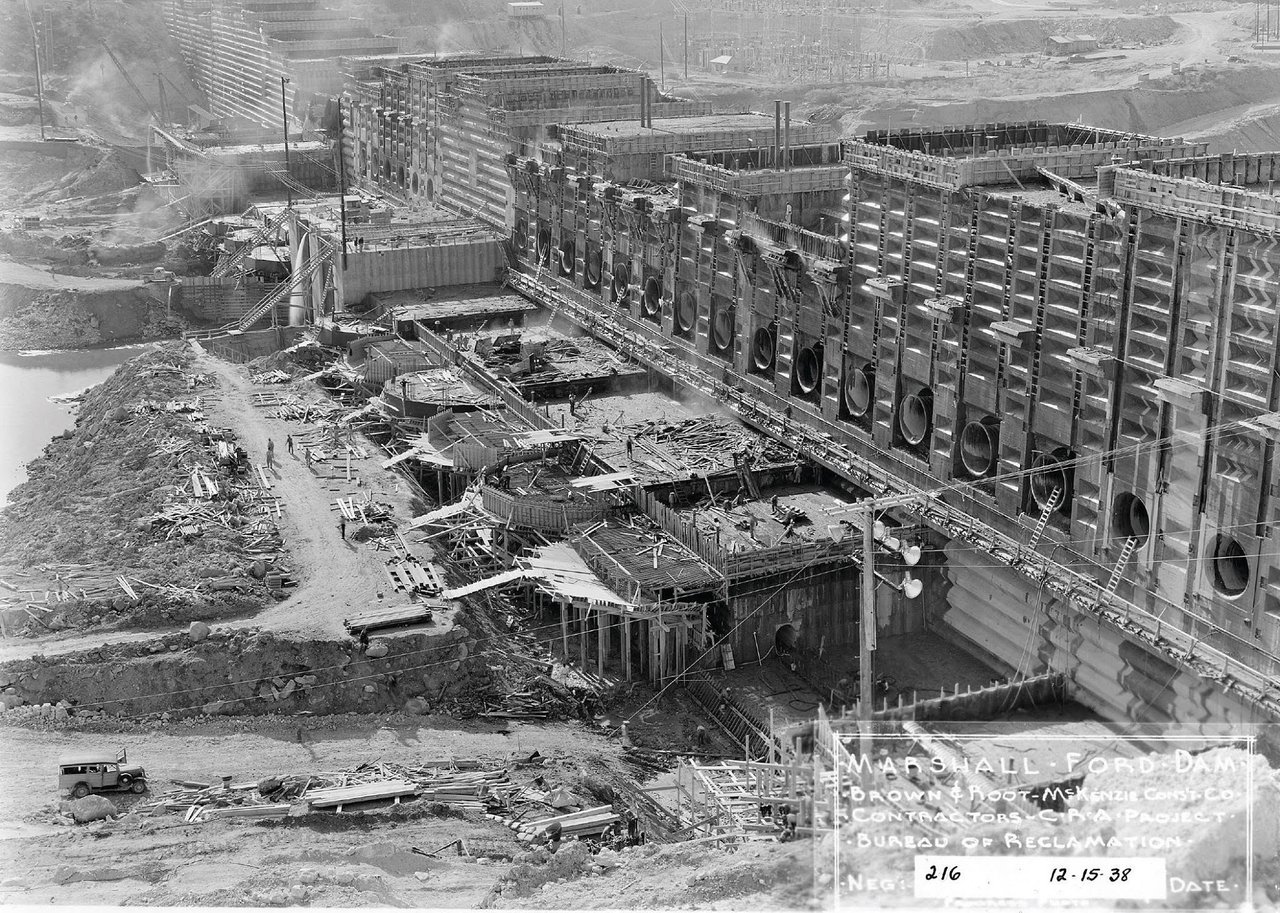
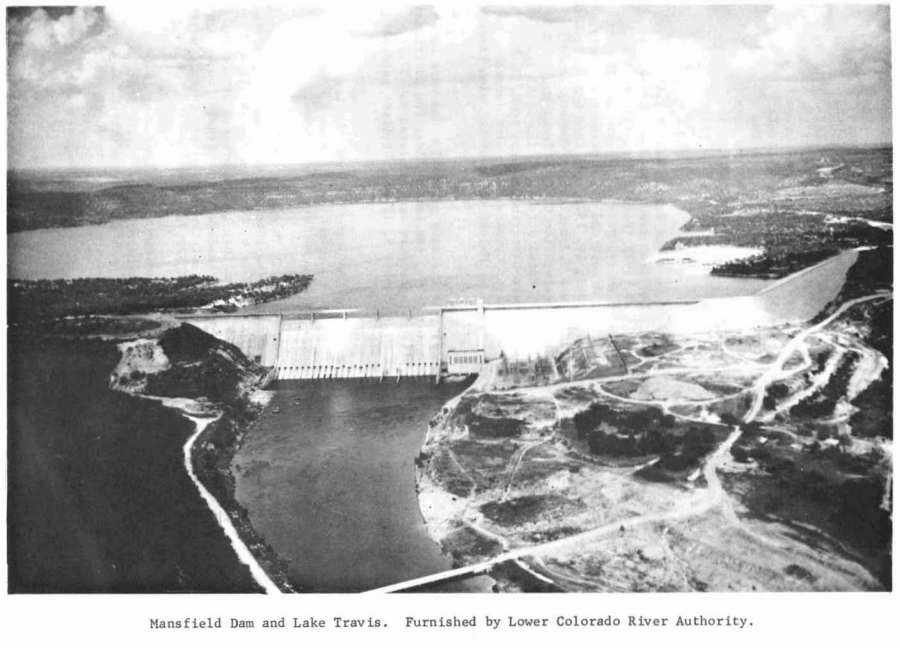
Before Mansfield Dam’s gates closed in 1941, the Colorado River wound through the Hill Country valley where Lake Travis exists today.
The river was both a resource and an obstacle.
People farmed near it.
Ranchers depended on it.
Travelers crossed it at places like Lohman’s Ford.
Communities developed around it.
The landscape looked dramatically different than it does today, but many of the features that make Point Venture special were already present.
The bluffs.
The limestone cliffs.
The sweeping views.
The dramatic bend in the river valley.
The Point itself.
Long before there was a marina, golf course, or village, this geography was already attracting people.
Why the Dam Was Built
The Colorado River was beautiful.
It was also unpredictable.
Flooding regularly threatened communities downstream, including Austin.
The solution became a series of Highland Lakes created by dams along the river.
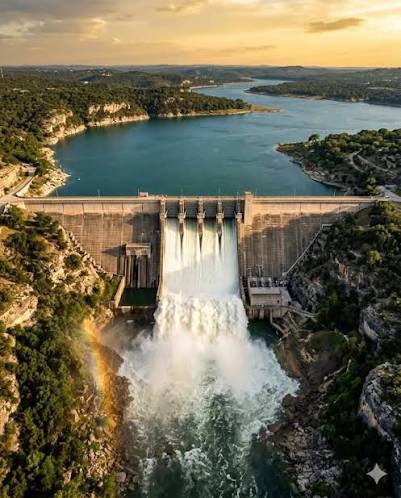
When Mansfield Dam’s gates closed in 1941, Lake Travis began to fill.
The project fundamentally changed Central Texas.
Flood control improved.
Water storage increased.
Hydroelectric power expanded.
Recreation opportunities exploded.
And a completely new shoreline was created.
A Landscape Transformed
As water backed into the valley, familiar landmarks disappeared.
River crossings were submerged.
Roads ended abruptly beneath the water.
Fields and ranchland became lake bottom.
Entire sections of the old landscape vanished from view.
But unlike many reservoirs, Lake Travis has always been dynamic.
Its water level fluctuates significantly depending on rainfall, drought, and regional water demand.
That means portions of the old landscape occasionally reappear.
For longtime residents, these changes are part of the lake’s personality.
For newcomers, they’re often surprising.
The Island
One of the most recognizable examples is the island visible from Point Venture.
At higher lake levels, it nearly disappears.
At lower levels, it becomes a destination.
What emerges isn’t simply exposed dirt.
The natural geology and sediment deposits create wide sandy areas that feel more like a beach than most people expect to find in Central Texas.
Families picnic there.
Boaters gather there.
Children explore there.
It’s one of the many reminders that Lake Travis is constantly changing.
Looking for the Past
Ask longtime Point Venture residents about low lake levels and you’ll often hear stories of exploration.
People walk newly exposed shoreline looking for:
- fossils
- arrowheads
- old structures
- remnants of roads
- clues about the landscape that existed before the lake
Every drought reveals something different.
Every rise in water covers it again.
It’s a cycle that has repeated for generations.
Why This Matters to Point Venture
Point Venture’s relationship with Lake Travis is different than many waterfront communities.
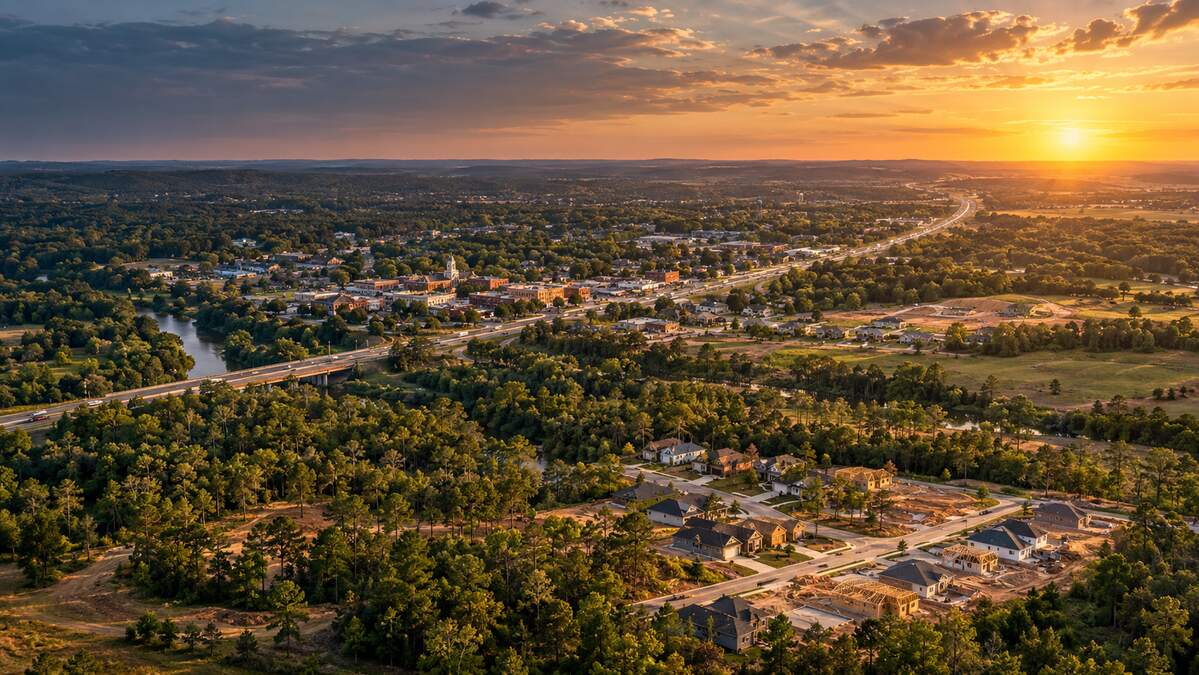
The village sits roughly in the middle portion of the lake, positioned on a peninsula that gives residents views in multiple directions and access to very different experiences depending on where they head.
To the east, the lake becomes busier and more active.
To the west, the water often feels broader, quieter, and calmer.
Residents experience the lake in all its moods.
And because of the peninsula’s geography, they’re often among the first to notice when the lake begins revealing or reclaiming pieces of its history.
Perhaps that’s why conversations about lake levels here are rarely just about water.
They’re also about beaches.
About boating.
About fishing.
About wildlife.
About history.
And about the remarkable fact that beneath every wave on Lake Travis lies another landscape with stories of its own.
Coming Next
In next month’s installment of Life on The Point, we’ll explore one of the most surprising chapters in Point Venture history:
The Ferry That Crossed Lake Travis
Yes, there really was a ferry. And yes, you could drive your car onto it.
Historical source: The Story of Point Venture — Point Venture Property Owners Association.